Reforestation in Tunisia — A False Environmental Prophecy
There is a lot of hype around reforestation, afforestation and forest restoration in the last few years. People, NGOs and governments around the world run to planting trees as a first solution to restore forests. Witnessing this alarming change in the global landscape, people, probably out of good faith, urge to contribute to restoration. Unfortunately, in many cases, these initiatives are not based on science, but on emotions.
What many people usually ignore when they engage to start a reforestation campaign is that reforestation is not always beneficial environmentally, socially or even economically. With the following arguments, I want to focus on planting Eucalyptus and other non-native species in Tunisia to emphasize on the importance of considering multiple factors and the importance of having a far-sight & a clear perspective prior starting reforestation campaigns.
The Eucalyptus Problem
Eucalyptus trees are native to Australia and Indonesia. Since these species have been successful for human use (easy to grow), they have been widely planted around the globe. And when many countries did so, their main motivation was for the good of humans, ignoring the impact of these introductions on ecosystems and biodiversity. This growing human interest in forest production and wood production is driving to multiple issues in many ecosystems around the globe. And Tunisia is no exception.
Eucalyptus was introduced to Tunisia & the North African region by the coloniser at that time. They would use it to shade roads and their camping areas. Nevertheless, the plantation of Eucalyptus continued even after the colonization period. Unfortunately, Eucalyptus forests are now everywhere and are the ones produced in high abundances in the General Directorate of Forests (DGF) nurseries along with other non-native species like Casuarina sp. and Acacias sp.
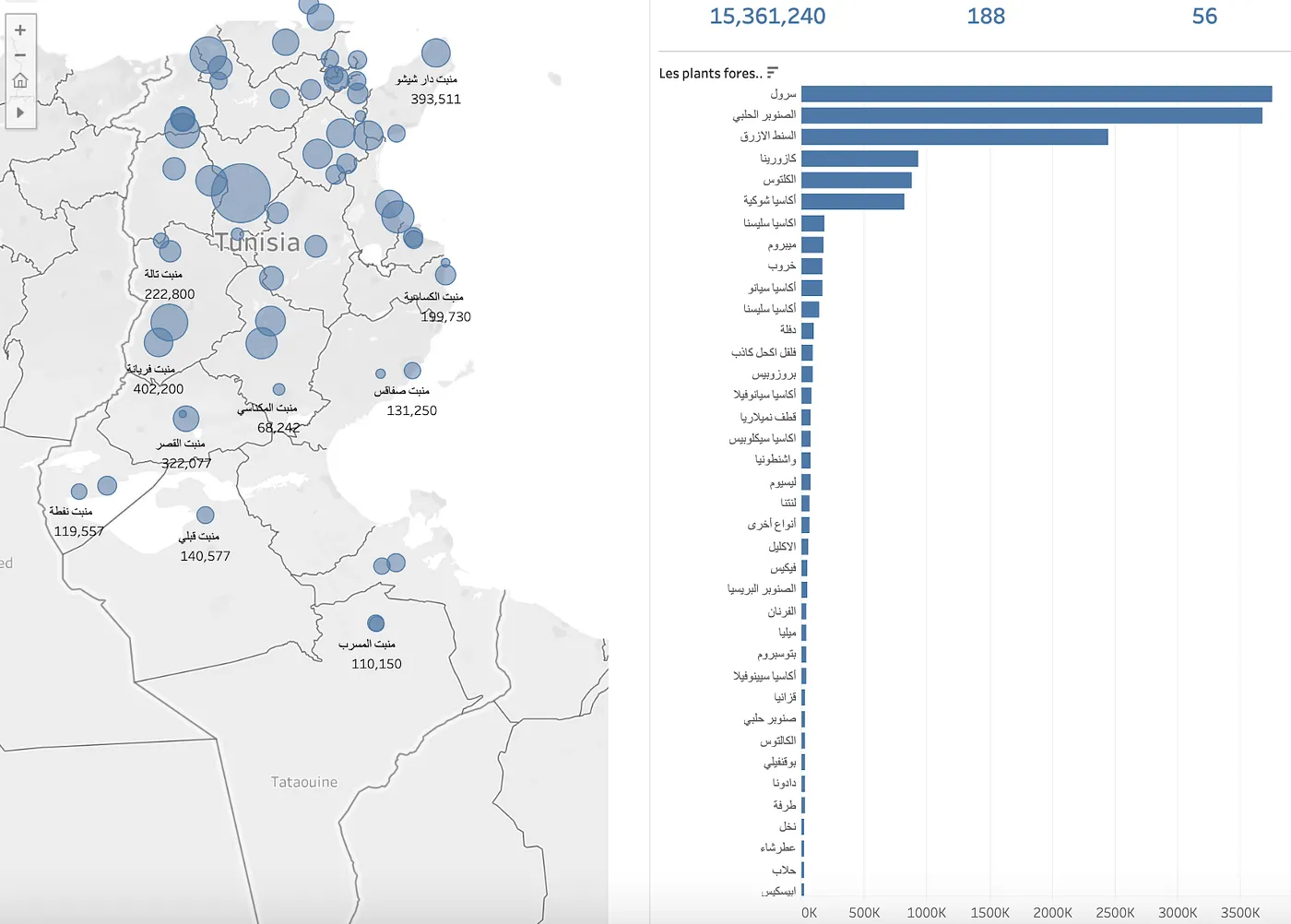
In fact, among the top 6 planted species in DGF nurseries, 3 are non-native, with high abundances (reaching 2,446,489 plants) referring to DGF (Ministry of Agriculture). While, native species like Cork trees Quercus suber occurs in the end of the list in 2 or 3 nurseries nationwide and abundance of 47,100 plants.
But Why Planting Non-Native Trees Is Bad for Our Ecosystems?
To answer this question, we need to acknowledge that biodiversity is a natural heritage that a country must protect. This natural heritage could be very specific and unique, englobing species that only exists in Tunisia and can’t be found in any other places in the world. That’s why species within a geographic range or area are adapting to the factors in that area. Hence, they have a long-lasting adaptation history to its surroundings, including adaptation to native plant covers.
For that reason, introducing a non-native tree like Eucalyptus can cause many environmental disturbances and can cause the lost of this unique biological heritage. Some Eucalyptus species are officially classified as invasive in some countries around the globe (including the classification by the California Invasive Plant Council (CAL-IPC). Considering this fact, our country is planting invasive, non-native trees instead of native species that could support our local biodiversity.
How Eucalyptus and Non-Native Tree Species Can Be Bad for Biodiversity
Allelopathy: Chemical Warfare Against Native Plants
Eucalyptus trees are Allelopathic species. Allelopathy is a biological phenomenon by which an organism produces one or more biochemicals that influence the germination, growth, survival, and reproduction of other organisms. Meaning it will prevent other plants from growing. And that’s the first bad consequence, reducing plants’ biodiversity. Native plant species won’t be able to compete. Hence, in forests where there are Eucalyptus we won’t find an understory.
The Cascade Effect on Wildlife
The reduction of plants species subsequently causes the reduction of habitat complexity in the ecosystem:
- Insects adapted to live on those plant species or eat their leaves or hide on it will not find any microhabitats to survive in
- Lizards and reptiles who use the branches of those plants to hide, lay eggs and hunt will not find a habitat to survive in
- Small mammals like weasels, rats, who use these bushes as an escape from predators, also will not survive
- Small birds who use it to nest will not have offspring
And it goes on and on producing a butterfly effect that keeps propagating to reach predators and eventually touches the food chain in the ecosystem.
In NW Spain, a study compared birds richness and abundance between native trees and Eucalyptus plantation, showed that birds diversity and species abundances in Eucalyptus is significantly lower and bird nesting was much higher in native forests. Many Countries introduced Eucalyptus regretted their decision, including Portugal who banned Eucalyptus plantation in some regions of the countries and is sanctioning people who do so illegally. The fines could reach 44,000 euros. This came as a consequence of many reforestation campaigns using Eucalyptus who turns out to be unsuitable for forests reorganization.
Water Consumption and Fire Risk
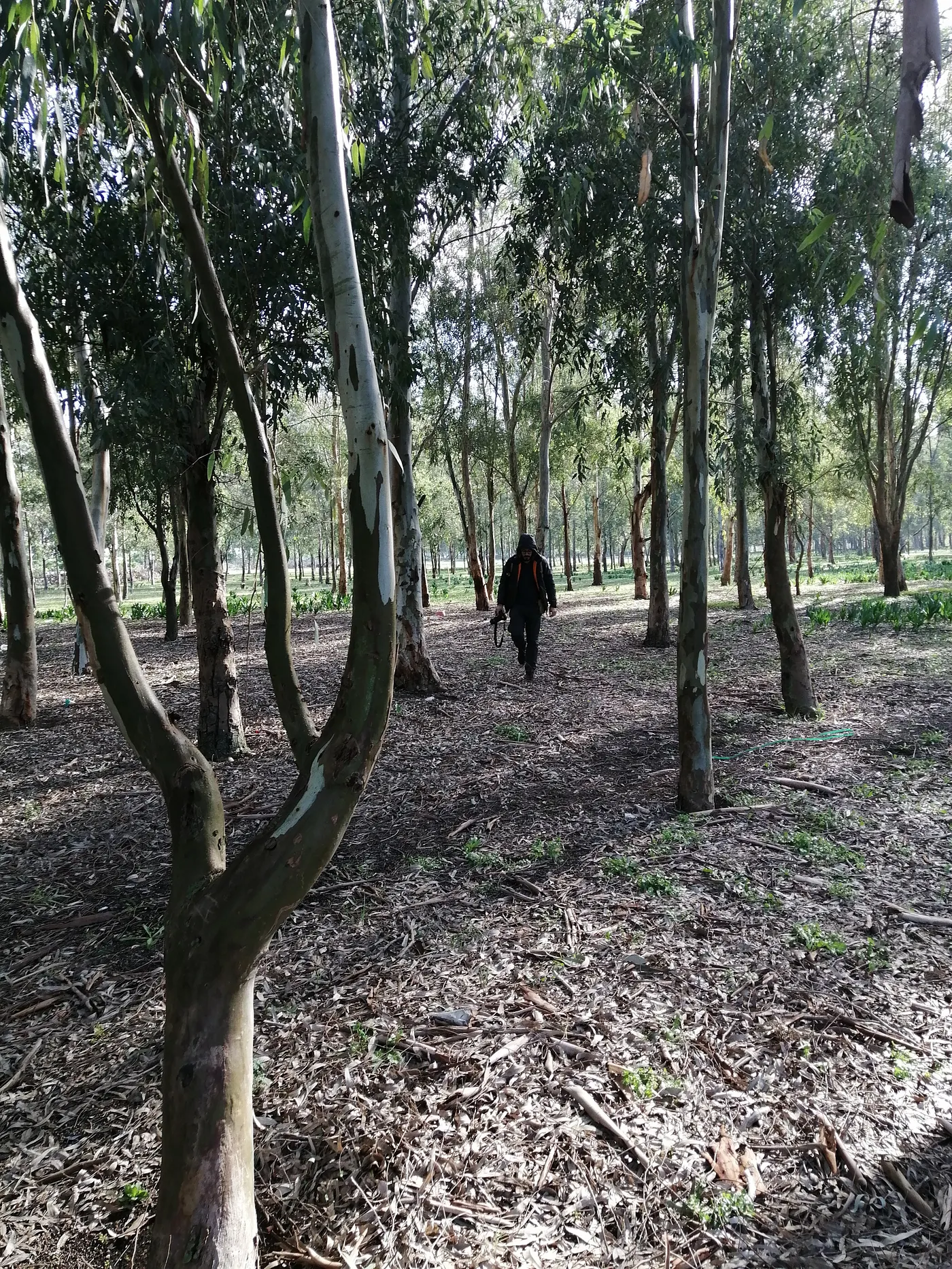
Other than reducing biodiversity, Eucalyptus consumes a lot of water and can contribute to aggravate the water stress situation in Tunisia. Planting Eucalyptus in the surrounding of dams, lakes and water-streams will reduce water availability. In the last few years, we started noticing the decrease of water level in many dams. It is not the result of a single factor, but an accumulation of many; bad management, global climate change, and other reasons, yet planting a water’s over-consuming species is not going to help.
Moreover, Eucalyptus are fire-intensive plants. Their shedding bark, leaves and twigs are fuel to fire. In the last few years, fire occurrence in the country is getting higher, and it is only wise to consider Eucalyptus plantation as a contributor to the scene. Fires cause habitat fragmentation and, in some cases, where reforestation is done with non-native species, the global landscape of the region will change, causing heterogeneity in the ecosystem.
For many species with big home range, this creates the edge effect hence, moving around would be an arduous task for them. As an example, we can mention the Barbary stag who once was roaming forests in North Tunisia and is now confined to few places in the northwest of Tunisia.
So, What Should We Do? What Should We Consider Before Starting a Reforestation or Afforestation Campaign?
1. Don’t Underestimate Species Introductions
Species introduction is seen as the necessary evil in conservation field. Prior any initiative to introduce a species, there is usually a lot of planning and studies that can tell us whether it is worth it to introduce species. Overall, many initiatives ended up by disturbing natural ecosystem or transformed to invasive species. And this doesn’t concern only trees.
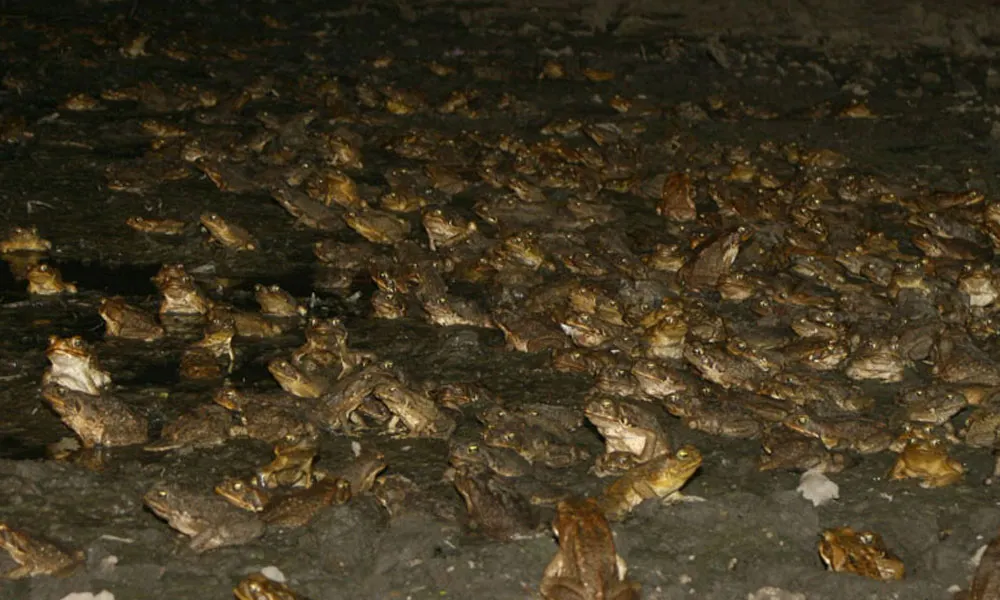
There are many examples where introductions went wrong. Maybe one of the most famous examples is the cane toad. In the 1930’s Australia had an issue with cane beetles who destroyed sugar cane fields. The Australian authorities decided to use a natural pesticide. Instead of looking in their environment for a natural predator of these beetles, they had the idea to bring 102 toads from Puerto Rico. In no time, their numbers boomed to reach 200 Million and instead of being pests control, they became the pest.
Another example from Tunisia, is when our country decided to bring palms tree to be used for ornamentation in cities’ streets. The red weevil used the palms as Trojan horses and in no time they invaded most palm trees in major cities of Tunis and surroundings.
2. Initiatives Must Be Based on Science
With all the overwhelming news about climate change and biodiversity loss, most people feel like they need to do something about it. And that’s understandable and usually there is a good faith behind it. Yet planting trees is not a miracle solution to save the earth. And reforestation is overrated.
Driven by their love for the environment people, NGOs & governments will start acting on planting trees without recurring to experts in forestry or wildlife management.
“The idea that you can go out and plant a tree and help reverse global warming is an appealing, feel-good thing.”
— Ken Caldeira, ecologist from Carnegie Institution of Washington in Stanford
In fact, a better solution to restore forests and ecosystem is to let natural resilience do it. Forests have the capacity to regenerate in a natural way to have a better resilience. Thus, a better practice is to protect lost areas of forests from overgrazing and anthropic activities to regenerate naturally.
When DGF nurseries only provide non-native invasive species for NGOs’ led initiatives, it’s better for those initiatives to not plant. Those initiatives may appear helping the environment, yet when the planted species is invasive, it has a long-lasting effect on the loss of biodiversity. Initiatives need to consult with experts and reforestation needs to be planned in a way to take into consideration all factors that could negatively affect not only people but biodiversity as well.
3. Planting According to the Natural Distribution of Species
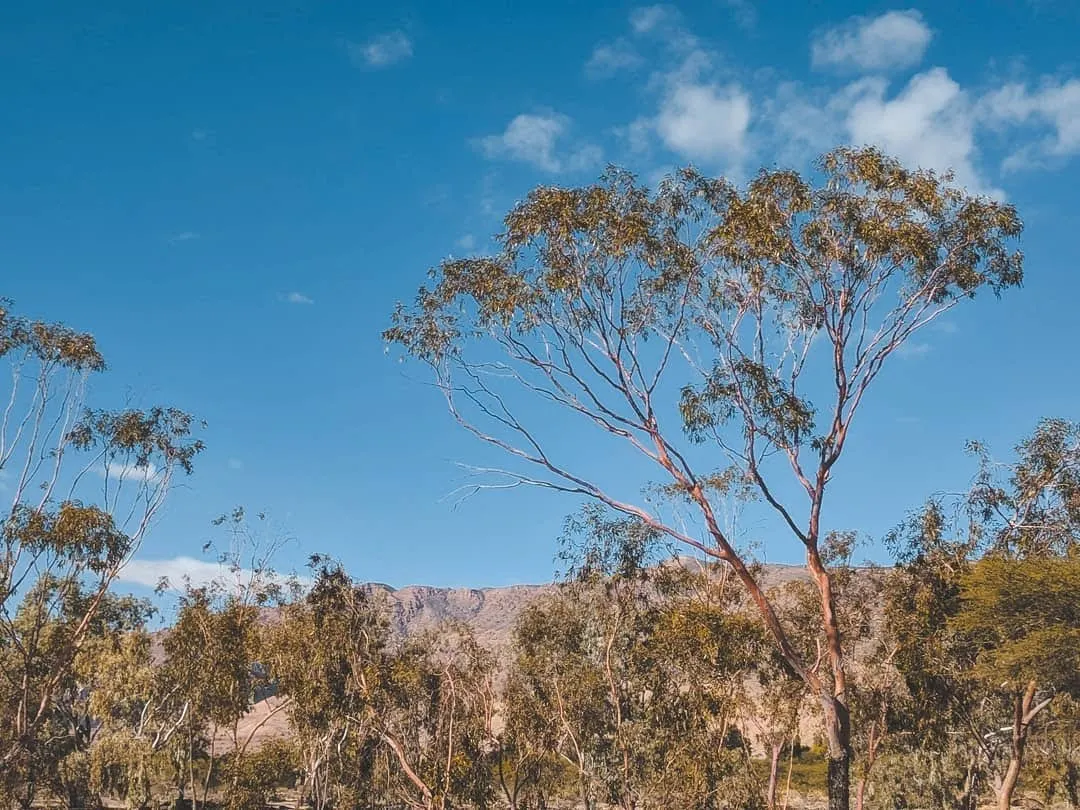
One of the aspects that makes Tunisia a beautiful country is the diversity of its landscapes and habitats. Following a gradient going from north to south, we can see multiple types of ecosystems and landscapes from oak forests in the northwest to sand dunes in the south; from wetlands to savannah in Bouhedma National Park. This ecosystemic diversity is also unique and needs to be preserved.
There is a constant envy in many people to plant trees in desert or arid areas, and that’s a general misconception that we need to avoid. Desert and ecosystems that probably don’t look as pleasant or green as forests are also important for biodiversity and hold species that are adapted to live only in that kind of ecosystems.
It’s important to follow the natural distribution of species when planning for reforestation. And in case of afforestation, it needs to be done in damaged lands and not in habitats that are not naturally forests like Garrigue and Maquis shrubland which are unique in the Mediterranean region.
4. Restoration Effectiveness / Reforestation Effectiveness
Finally, we need to understand that conservation efforts can go wrong. And this is why it’s very important to monitor this effort. It’s time for us, as a country, to think about putting in place a monitoring system to have a long lasting better assessment of the evolution of the environmental situation overtime.
This monitoring system can help us modify our strategies to concentrate our effort on what is working and to try to solve what didn’t work. Constant surveys in reforested area are needed, either through direct observation or using tools such as bioacoustics to compare diversity over time and space. It’s important to communicate about reforestation campaigns in details as well as clear documentations accessible to the public that illustrate the geographic extent and supported by numbers and statistics.
Conclusion
Reforestation can be a powerful tool for environmental restoration, but only when done right. We need to move beyond simplistic tree-planting campaigns driven by emotions and embrace evidence-based approaches that consider:
- Native species over non-native
- Natural regeneration over forced planting
- Ecosystem complexity over monocultures
- Long-term monitoring over short-term feel-good actions
The future of Tunisia’s natural heritage depends on it.
References & Links
Goded, Sandra, et al. “Effects of eucalyptus plantations on avian and herb species richness and composition in North-West Spain.” Global Ecology and Conservation 19 (2019): e00690.
DGF nurseries: http://www.agridata.tn
El-Barougy, Reham F., et al. “Invasion risk assessment using trait-environment and species distribution modelling techniques in an arid protected area: Towards conservation prioritization.” Ecological Indicators 129 (2021): 107951.
Yost, Jennifer M., et al. “Origins, Diversity and Naturalization of Eucalyptus globulus (Myrtaceae) in California.” Forests 12.8 (2021): 1129.
Bayle, G. K. “Ecological and social impacts of eucalyptus tree plantation on the environment.” Journal of Biodiversity Conservation and Bioresource Management 5.1 (2019): 93–104.
Originally published on Medium: Reforestation in Tunisia — A False Environmental Prophecy