Reforestation in Tunisia — A False Environmental Prophecy
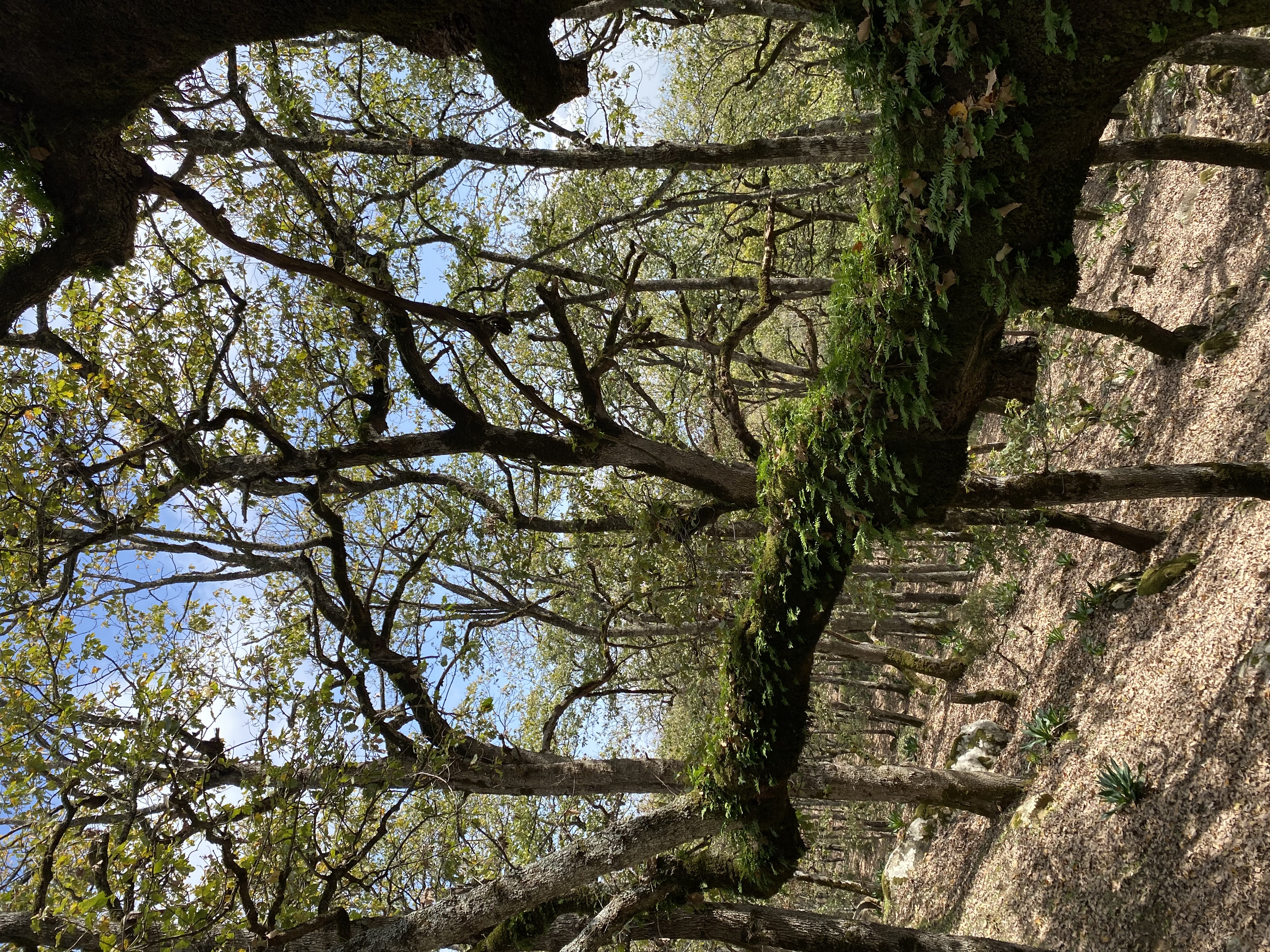
There is a lot of hype around tree-planting. Campaigns count seedlings by the million and treat every planted tree as a win for the planet. But reforestation is not always beneficial — environmentally, socially, or economically. It's time to rethink our strategy.
Planting trees is not the same as restoring an ecosystem
A forest is not simply a collection of trees. It is a web of soils, understory plants, fungi, insects, birds, and mammals assembled over centuries. Dropping rows of seedlings into the ground reproduces the appearance of a forest without its function — and often at the expense of the ecosystem that was already there.
The wrong tree in the wrong place
Much of Tunisia's land is not degraded forest waiting to be replanted — it is grassland, steppe, and arid rangeland that is itself a valuable, biodiverse ecosystem. Afforesting these open habitats, frequently with fast-growing non-native species, can lower water tables, raise fire risk, and displace the very species adapted to live there.
The social and economic cost
Planting schemes also carry costs that rarely make the headlines — land taken out of grazing or farming, budgets spent on seedlings that will not survive the first dry summer, and local communities left out of decisions about their own landscapes. A number on a press release is not the same as a living forest a decade later.
The goal should never be more trees. The goal should be healthier ecosystems.
A better strategy
Restoration should begin with the ecosystem that belongs on a given site — protecting intact habitat first, favouring natural regeneration and native species, and measuring success by biodiversity and function rather than by seedling counts. Where open habitats are the natural state, the most responsible action can be to leave them open.
← All stories