Environmental Governance in Tunisia: Challenges & Opportunities
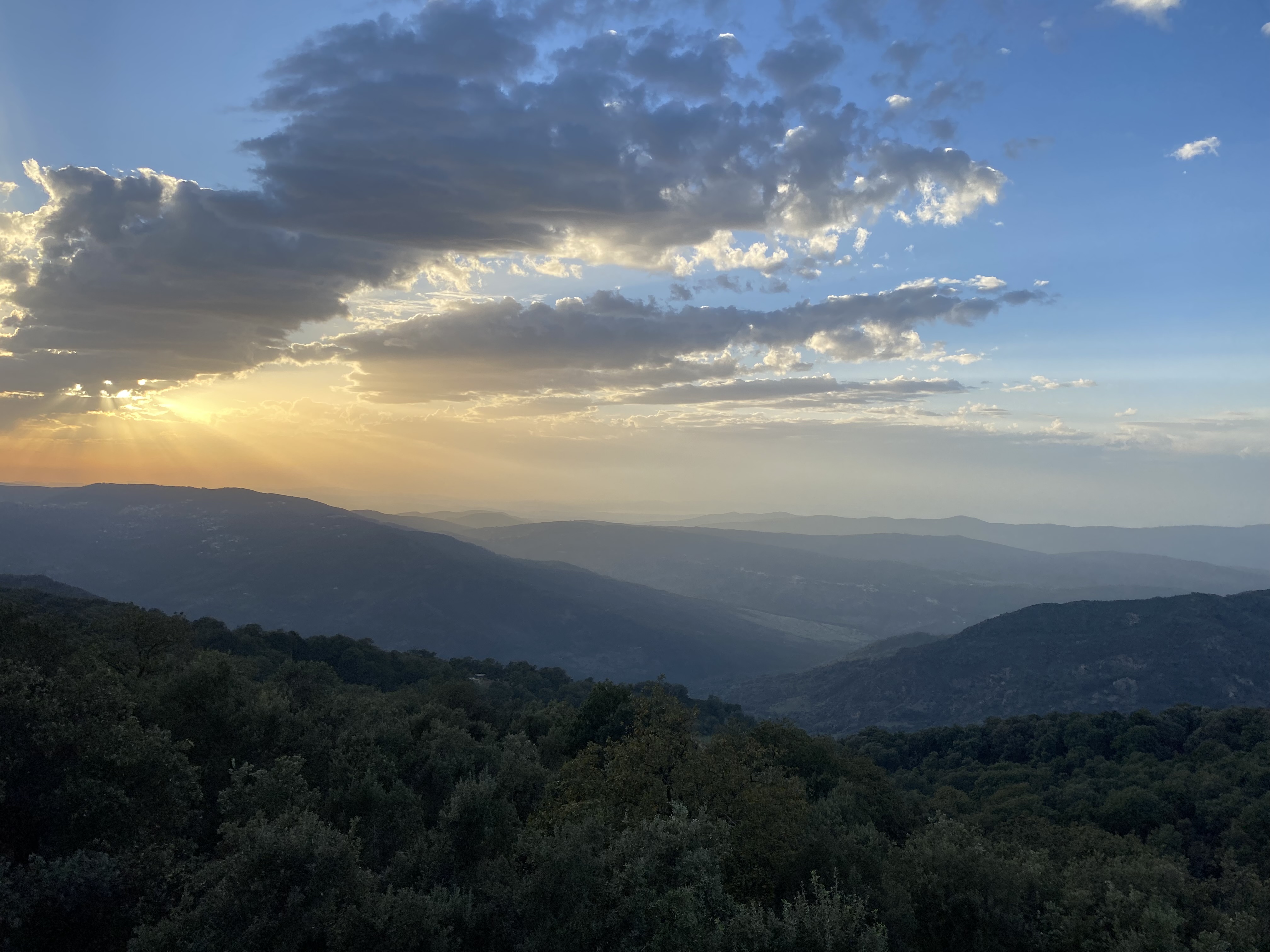
Tunisia holds a remarkable share of the Mediterranean's biodiversity — wetlands, forests, islands, and desert margins that few other countries can match. How that heritage is governed, funded, and protected will decide how much of it survives the coming decades.
The challenges
Responsibility for the environment is spread across many institutions, and coordination between them is difficult. Protected areas exist on paper more often than in practice; monitoring and enforcement are under-resourced; and environmental data is fragmented, making it hard to know what we have — let alone what we are losing.
The opportunities
There is also real momentum. A vigorous civil society, a generation of trained ecologists returning home, and growing regional and international partnerships create an opening to modernise how conservation is planned and measured — building it on open data, transparent monitoring, and the participation of the communities who live alongside these ecosystems.
Good governance is what turns scientific knowledge into lasting protection on the ground.
Where it goes next
The path forward is less about new laws than about making existing commitments real: coordinated institutions, monitoring that feeds decisions, and evaluation that shows what actually works. That is precisely where science, data, and honest measurement can serve the country's natural heritage best.
← All stories